
Water Well Drilling in Boulder County
One contractor, one contract — well, excavation, water line & septic
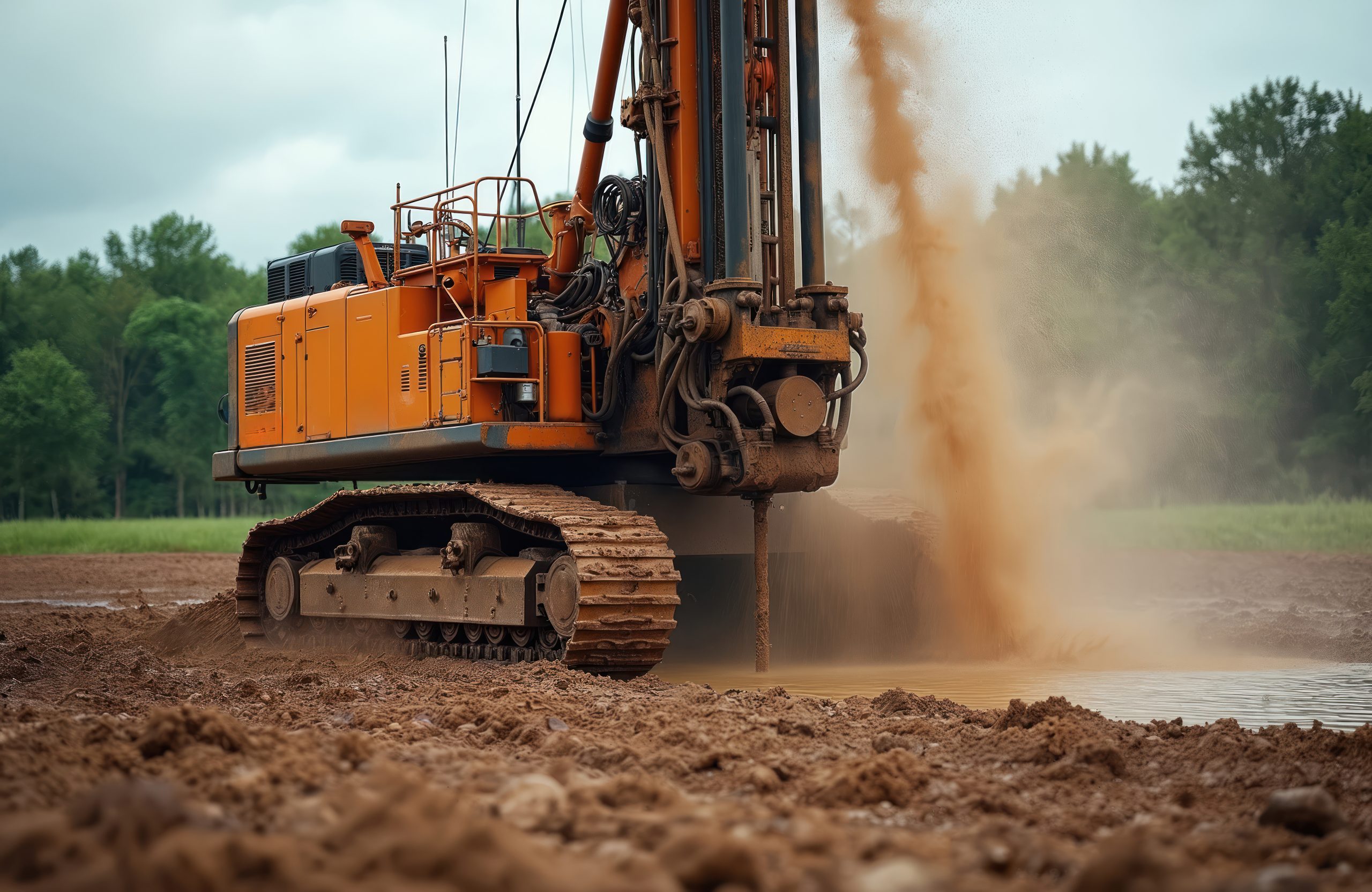
One Contractor for the Entire Site — Not Just the Well
Building on a mountain or rural lot usually means juggling a well driller, an excavator, a septic installer and a utility contractor — and hoping their schedules line up. Mountain Excavation and Septic LLC handles it as one job, under one contract. We’re an excavation, septic and water line company that also drills wells, so the access, the well, the trench and water line to the house, and the septic system are planned together by one crew.
That matters more than it sounds. Colorado rules require a well to sit at least 50 feet from a septic tank or sewer line and 100 feet from a leach field. When the same contractor lays out the well and the septic system, those setbacks are designed in from the start — not discovered after one of them is already in the ground.
What We Handle — All Under One Contract
From the permit to water at your tap, Mountain Excavation and Septic can handle the well, the excavation, the trenching, the water line and the septic system under one contract. No juggling a separate driller, excavator and septic installer.
New residential wells
Drilled, cased and finished for homes on rural and mountain properties.
Commercial wells
Water wells for commercial properties.
Well permitting assistance
We handle the state well permit paperwork for you.
Drilling
Hard-rock and mountain drilling with our own Schramm rig.
Casing & grouting
Watertight casing and a grout seal to keep surface water out.
Pump installation
Pump, controls and hook-up to your home’s plumbing.
Trenching & water lines
The trench and water line from the well to the house.
Excavation & site access
Pads, access routes and site prep so the rig can get in.
Cisterns & storage
Storage tanks and cisterns for water on demand.
Water testing coordination
We test before we call it done and help you get county testing.
Septic systems
New septic installation, planned together with the well.
Site utilities
Other underground utility work on your site.
Our equipment
A Schramm drill rig that can drill a couple thousand feet and more, backed by a full excavation company with our own machines and crews.
Typical timeline
- Permit: about 6 weeks
- Drilling: about 1 week
- Excavation & water line: depends on the size and length of the trenches
Why Water Well Drilling?
For properties without access to a municipal water supply, a private well is the primary source of clean, reliable water. Water well drilling is often needed in two common scenarios: when developing a new rural or semi-rural property, and when an existing well has deteriorated or can no longer meet the demands of the household or business.
A properly drilled and maintained water well can serve a property for decades. However, the well system must work in harmony with the existing sewer and septic setup to ensure there is no risk of cross-contamination between the water source and waste systems. When drilling a new well or replacing an old one, it’s essential to have a contractor who understands both systems — and that’s exactly what Mountain Excavation and Septic LLC provides.
Water Well Drilling Process
Water well drilling is a detailed, multi-stage process that requires precision and expertise. When you turn to Mountain Excavation and Septic LLC, here’s what you can expect from start to finish:
- Initial Assessment: Our team will visit your property to evaluate the terrain, soil composition, and existing sewer and septic infrastructure to determine the best approach and optimal well placement.
- Permitting & Planning: We’ll handle the necessary permits, generate a detailed estimate, outline all required materials, and have you review and sign the service agreement before any work begins.
- Site Preparation: Once everything is confirmed, we’ll take precise measurements, mark safe distances from septic components, and bring in the appropriate drilling equipment.
- Drilling: Using professional-grade equipment, our crew will drill to the required depth to reach a clean, sustainable water source — adhering to all local regulations regarding setback distances from sewer and septic systems.
- Casing & Sealing: After drilling, we’ll install protective well casing and properly seal the wellhead to prevent surface water, contaminants, and septic effluent from entering the water supply.
- Pump Installation & Hook-Up: With the well in place, we’ll install the pump system and connect it to your property’s plumbing, ensuring clean water flows reliably throughout your home or business.
- Water Testing: Before we consider the job complete, we’ll test the water quality to confirm it meets safety standards — giving you total confidence in your new water supply.
How Much Does a Well Cost in Boulder County?
There’s no honest flat price for a new well — two lots on the same road can need very different wells. What we can do is walk your property, explain what’s driving the number, and give you a written estimate before any work starts. These are the factors that move the price:
Drilling depth
Depth is one of the biggest cost drivers. The typical hard-rock well in Colorado’s mountains is around 250 feet deep, most finish under 550 feet, and some go deeper to find enough water. Our Schramm rig can drill past 2,000 feet when a site calls for it.
Geology
Granite and gneiss drill slower than softer ground, and the water comes from fractures in the rock rather than a continuous aquifer. What’s under your lot affects both drilling time and depth.
Casing & grouting
Colorado requires watertight casing at least 19 feet below ground, sealed with grout to keep surface water out. More loose or broken ground above solid rock means more casing.
Site access
Steep driveways, switchbacks and tree cover decide whether a drill rig can get in as-is or needs a pad and access cut first. That’s excavation work we do ourselves.
Mobilization
Remote mountain sites take more time and fuel to get heavy equipment to the property and set up safely.
Pump size
The pump is sized to the well’s depth and your household’s demand. A deep, low-producing well needs a different setup than a shallow, high-producing one.
Trenching & water line
The line from the well to the house has to be buried below frost depth. Trench length matters, and so does how much rock is in the way.
Electrical
Power has to reach the pump. The distance from your panel and whether a new circuit is needed both factor into the total.
Storage or cistern
Low-yield wells often need a storage tank so the house has water on demand, even when the well only produces a few gallons per minute.
Water treatment
If testing shows hardness, iron, arsenic, uranium or bacteria, a treatment system may be needed. That’s a separate cost from the well itself.
Permitting
A state well permit is required before drilling. We handle the paperwork; the application fee is paid to the Colorado Division of Water Resources.
Want a real number for your property? Request a well estimate and we’ll come out, look at the site and access, and put it in writing.
Drilling in Boulder County's Mountains & Foothills
Wells in the foothills west of Boulder aren’t like wells on the plains. Here’s what we plan for on mountain properties from Sunshine Canyon to Nederland, Lyons and Rollinsville:
Hard-rock drilling
Most of the high country sits on ancient granite and gneiss. Water only moves through cracks and fractures in that rock, so yields change a lot from one spot to the next. The Colorado Geological Survey puts the median yield of these wells at about 4 gallons per minute.
Steep sites & limited access
A drill rig is a big, heavy truck. On steep or narrow lots we often build a level pad and an access route before drilling, which is the same excavation work our crews do every day.
Existing septic systems
Colorado requires a well to be at least 50 feet from a septic tank or sewer line and 100 feet from a leach field. On smaller mountain lots that can leave very few legal spots for a well, so we locate the septic system first.
Thin soil over fractured rock
Mountain soils are often only a few feet deep, which gives surface water and septic effluent a shortcut into groundwater. That’s why proper casing, grouting and a sealed wellhead matter so much up here.
Underground utilities
Before we trench, buried power, phone and existing water lines are located through Colorado 811, so the water line from the well to the house goes in without surprises.
One crew, one plan
Because we also do excavation, septic and water lines, the well location, trench route and septic layout get planned together instead of by three different contractors.
Well Water Testing: What Boulder County Recommends
A new well isn’t finished until you know what’s in the water. Boulder County Public Health, following CDPHE guidance, recommends a baseline test of every private well for:
- Arsenic
- Hardness
- Coliform bacteria
- Copper
- Fluoride
- Iron
- Lead
- Nitrate
- Nitrite
- Uranium
After that, test at least once a year for coliform bacteria, nitrates and nitrites, plus anything specific to nearby land use or local conditions.
Why it matters in the mountains
The Colorado Geological Survey notes naturally occurring uranium and radium in the region’s granite bedrock, and a Colorado State University study of Boulder County wells found about a quarter of samples tested positive for total coliform bacteria.
How to get your well tested
Boulder County Public Health takes well water samples to the state lab. Call 303-441-1564 to schedule a drop-off (Monday to Thursday, 8 a.m. to noon), or use an EPA-certified private lab from CDPHE’s list. Boulder County well water guidance.
We test water quality before we call a new well finished, and we’re happy to help you make sense of the results.
Water Well Drilling FAQ
How deep are wells in Boulder County?
It depends on where you are. In the mountain bedrock west of Boulder, a well is drilled until it hits enough water-bearing fractures. Colorado Geological Survey data for these hard-rock wells shows a median depth of about 245 feet, with 90% finishing under 550 feet, though some go past 1,000 feet. We’ll give you a realistic range for your property after a site visit.
Do I need a permit to drill a well in Colorado?
Yes. Colorado requires a well permit from the Division of Water Resources (the State Engineer’s Office) before any well is drilled, and the well has to be built by a licensed, bonded well contractor. We handle the permit paperwork as part of the job.
How long does well drilling take?
Permits take about six weeks to come back from the state. Once the permit is issued, drilling usually takes about a week. Excavation and water line work depends on the size and length of the trenches. We’ll give you a full timeline with your estimate.
Can every property get a well permit?
Not always, and not for every use. Parcels of 35 acres or more can often qualify for a domestic permit, which allows up to three homes, up to one acre of lawn and garden, and livestock. Many smaller lots only qualify for a household-use-only permit: water inside one home, with no outdoor watering. Lots in subdivisions created after June 1, 1972 are usually governed by a court-approved augmentation plan. The Division of Water Resources makes the final call, so it’s worth checking before you buy land.
How much water does my well need to produce?
The Colorado Division of Water Resources uses about 75 gallons per person per day as a rule of thumb, or roughly 300 gallons a day for a family of four. Many mountain wells produce only a few gallons per minute, and that can still be enough when the well is paired with storage and a properly set up pump system.
Do you install the pump too?
Yes. Pump installation and hook-up to your home’s plumbing are part of our well process, along with the casing, the wellhead seal and a water quality test before we call the job done.
Can you handle my septic system and well together?
Yes, and that’s what sets us apart. Mountain Excavation and Septic can handle the well, excavation, trenching, water line and septic system all under one contract. We plan the well and septic system together, keep the required setbacks between them (50 feet from a tank, 100 feet from the leach field), and dig the access, trenches and water line with our own crew. One contractor, one schedule, one point of contact.
One Call for Your Well, Septic & Site Work
For water well drilling in Boulder County and the surrounding mountains, turn to Mountain Excavation and Septic LLC. We’ll look at the whole site — access, well location, septic, and the water line to the house — and give you one estimate for the job. Call 303-888-3580 or request an estimate online.
